Office furniture trends sets the stage for this enthralling narrative, offering readers a glimpse into a story that is rich in detail and brimming with originality from the outset.
In today’s fast-paced work environment, the designs and functionalities of office furniture have evolved tremendously. With the rise of remote work, the emphasis on ergonomics, technology integration, and sustainability has never been more critical. This comprehensive overview delves into the latest trends that are not only transforming our workspaces but also enhancing employee productivity and well-being.
Current Office Furniture Trends
The world of office furniture is continuously evolving, adapting to the changing needs of work environments. In recent years, several trends have emerged that reflect the dynamic nature of how and where we work.
Latest Designs in Office Furniture
Innovative designs in office furniture are not just about aesthetics; they also focus on functionality and adaptability. Modern office furniture incorporates modular pieces that can be rearranged to fit different collaborative spaces. Flexible desks that adjust in height and chairs that provide better lumbar support are becoming staples in today’s workplaces. Additionally, the use of vibrant colors and unique materials is on the rise, promoting a more engaging work environment.
Impact of Remote Work on Furniture Choices
The shift to remote work has significantly influenced furniture choices. Many employees are now investing in home office setups that prioritize comfort and functionality. The demand for compact, stylish office furniture that fits smaller living spaces has surged. This trend emphasizes the importance of creating a productive workspace at home, leading to increased sales of ergonomic chairs and standing desks designed for personal use.
Significance of Sustainability in Contemporary Office Furnishings
Sustainability has become a crucial aspect of office furniture design. Eco-friendly materials such as bamboo, reclaimed wood, and recycled metals are gaining popularity. Businesses are increasingly looking for suppliers that practice ethical sourcing and environmentally responsible manufacturing processes. The integration of sustainable practices not only helps the planet but also resonates with employees who value corporate responsibility and ethics.
Ergonomics in Office Furniture
Ergonomic furniture is an essential component in modern office design, focusing on enhancing productivity while safeguarding employee health.
Enhancing Productivity with Ergonomic Furniture
Ergonomically designed furniture can significantly enhance productivity. Proper seating and desk height promote better posture, reducing discomfort and fatigue during long working hours. Employees equipped with ergonomic chairs and adjustable desks tend to experience fewer distractions, leading to improved focus and efficiency.
Relationship Between Ergonomics and Employee Health
The relationship between ergonomics and employee health is well-documented. Poorly designed workspaces can lead to musculoskeletal disorders and chronic pain. Investing in ergonomic furniture reduces the risk of these conditions, contributing to a healthier workforce. Companies that prioritize ergonomics often see lower absenteeism rates and higher employee satisfaction.
Methods for Selecting Ergonomic Office Furniture
When selecting ergonomic office furniture, several factors should be considered:
- Adjustability: Look for chairs and desks that can be easily adjusted to meet individual needs.
- Support: Ensure that furniture provides adequate support in key areas, such as the lower back and neck.
- Material: Choose breathable and durable materials that enhance comfort during extended use.
Technology Integration in Office Furniture
Recent advancements in technology are shaping the future of office furniture design, providing innovative solutions for contemporary workspaces.
Integration of Technology in Office Furniture Designs
Technology integration in office furniture is becoming a standard expectation. Furniture equipped with built-in charging ports, Bluetooth speakers, and even wireless charging surfaces are increasingly common. These features help streamline the workspace, reducing clutter and enhancing overall productivity.
Examples of Smart Furniture for Remote Work
Smart furniture solutions are revolutionizing the way we approach remote work. For instance, desks that can automatically adjust height based on user preferences and chairs that track posture are making headway in home office setups. These innovations provide users with personalized experiences that promote health and efficiency.
Comparison of Traditional vs. Tech-Enabled Office Furnishings
The comparison between traditional and tech-enabled office furnishings highlights a significant shift in workplace dynamics. Traditional furniture often lacks adaptability and functionality, whereas tech-enabled options offer versatility and enhanced user experiences. This evolution reflects the increasing importance of technology in facilitating modern work habits.
Customization and Personalization
The trend toward customizable and personalized office furniture solutions is reshaping workplace design, reflecting individual preferences and fostering a sense of ownership among employees.
Trends in Customizable Office Furniture Solutions
Customizable office furniture allows businesses to tailor their workspaces to meet specific needs. Companies are increasingly offering modular systems that can be adjusted or expanded based on the number of employees or the type of work being done. This flexibility empowers businesses to create dynamic environments that can evolve over time.
Impact of Personalization on Employee Satisfaction
Personalization in office design significantly impacts employee satisfaction and morale. When employees have a say in their workspace, it fosters a sense of belonging and encourages creativity. Personalized workspaces can also lead to increased engagement and productivity, as employees feel more connected to their environment.
Examples of Companies Offering Bespoke Office Furniture
Several companies are leading the charge in providing bespoke office furniture solutions. For instance, brands like Herman Miller and Steelcase offer customizable workstations that adapt to various needs and preferences. These companies focus on creating furniture that not only meets functional demands but also aligns with the aesthetic vision of their clients.
Business Branding through Office Design
The relationship between office furniture and a company’s brand identity is increasingly recognized as crucial for establishing a cohesive corporate image.
Reflecting Brand Identity with Office Furniture
Office furniture choices are a direct reflection of a company’s brand identity. From the color schemes to the materials used, every piece of furniture contributes to the overall brand narrative. Thoughtfully designed spaces can communicate values such as innovation, collaboration, and sustainability.
Aligning Furniture Choices with Brand Values
Aligning furniture choices with brand values involves selecting pieces that resonate with the company’s mission. For instance, a tech startup might opt for modern, sleek furniture that embodies innovation, while an eco-conscious brand may prioritize sustainable materials. This coherence helps reinforce brand messaging both internally and externally.
Importance of Cohesive Design in Establishing a Brand Image
Cohesive design in office furniture is essential for establishing a strong brand image. A well-designed workspace not only enhances aesthetics but also reinforces the brand’s identity. Consistency in design elements across different office locations can help create a unified presence in the market.
Office Furniture for Collaborative Spaces
As teamwork becomes increasingly essential in the workplace, the design of office furniture for collaborative spaces plays a vital role in fostering interaction among employees.
Characteristics of Furniture Designed for Teamwork
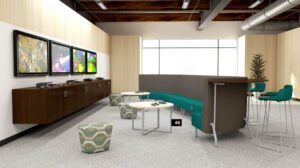
Furniture designed for collaborative spaces often features adaptable layouts and comfortable seating arrangements. These characteristics encourage open communication and facilitate group discussions. Multi-purpose furniture, such as movable seating and modular tables, supports a variety of collaborative activities.
Trends in Open Office Layouts and Their Furniture Requirements
Open office layouts have grown in popularity, promoting a culture of collaboration and transparency. This trend necessitates furniture that can accommodate different working styles, including communal tables for brainstorming sessions and quiet nooks for focused work. The right furniture can help strike a balance between collaboration and individual productivity.
Examples of Furniture that Encourages Interaction
Examples of furniture that encourages interaction include collaborative desks, lounge-style seating, and writable walls. Companies like Knoll and Haworth produce versatile pieces that cater to both formal meetings and casual brainstorming sessions, creating an inclusive environment that fosters teamwork.
Trends in Sustainable Office Furnishings
The focus on sustainability in office furnishings is reshaping the industry, leading to increased demand for eco-friendly solutions.
Eco-Friendly Materials Used in Office Furniture Manufacturing
Eco-friendly materials such as recycled plastics, sustainable wood, and natural fibers are becoming prevalent in office furniture manufacturing. These materials not only reduce environmental impact but also appeal to consumers who prioritize sustainability in their purchasing decisions.
Importance of Ethical Sourcing in Furniture Production
Ethical sourcing is paramount in furniture production. Companies that prioritize transparency in their supply chains and demonstrate a commitment to fair labor practices are gaining favor with environmentally conscious consumers. This focus on ethics enhances brand loyalty and trust.
Techniques for Incorporating Sustainable Furniture in Office Design
Incorporating sustainable furniture into office design can be achieved through several techniques:
- Choosing suppliers that prioritize sustainability in their manufacturing processes.
- Opting for furniture made from recycled or rapidly renewable materials.
- Designing for longevity to reduce waste and promote reuse.
The Role of Business Accounting in Furniture Investments
Understanding the financial implications of office furniture investments is crucial for effective business management.
Impact of Financial Planning on Office Furniture Purchases
Financial planning plays a significant role in determining an organization’s ability to invest in quality office furniture. Businesses must carefully assess their budgets, considering the long-term benefits of investing in durable and ergonomic furniture that can enhance productivity and employee satisfaction.
Strategies for Budgeting for Office Furniture in New Business Setups
When budgeting for office furniture in new business setups, consider the following strategies:
- Prioritize essential furniture that supports immediate operational needs.
- Explore leasing options for high-quality furniture to manage cash flow.
- Plan for future growth by selecting modular furniture that can be expanded or modified.
Implications of Furniture Depreciation on Accounting Practices
Furniture depreciation impacts accounting practices significantly. Businesses must account for the decreasing value of furniture over time, which can affect financial statements and tax liabilities. Understanding depreciation helps organizations make informed decisions regarding asset management and future investments.
Navigating Business Franchising with Office Design
In franchising, maintaining consistency in office design is essential for brand uniformity across locations.
Significance of Consistent Office Furniture in Franchising
Consistent office furniture across franchise locations helps reinforce brand identity and creates a cohesive customer experience. Uniform furniture designs can establish familiarity for clients, enhancing brand recognition and loyalty.
Methods for Selecting Furniture that Meets Franchising Standards
Selecting furniture that meets franchising standards involves:
- Engaging with franchisees to understand their needs and preferences.
- Choosing suppliers that offer customizable options to maintain brand consistency.
- Conducting regular reviews of furniture quality and design to ensure alignment with brand standards.
Balancing Brand Uniformity and Local Customization in Office Design
Balancing brand uniformity and local customization is key in franchising. While consistent furniture choices are important for brand identity, allowing local franchises to personalize aspects of their design can enhance employee engagement and cater to regional preferences.
The Influence of Architecture and Interior Design
The interplay between architectural trends and office furniture styles significantly shapes workplace environments.
How Architectural Trends Affect Office Furniture Styles
Architectural trends influence office furniture styles dramatically. Open spaces with natural light call for lighter, more flexible furniture designs that complement the layout. Conversely, traditional layouts may favor heavier, more ornate pieces that fit the overall aesthetic.
Collaboration Between Architects and Furniture Designers
The collaboration between architects and furniture designers is crucial in creating functional and aesthetic office spaces. When both disciplines work together, the result is a harmonious environment that meets both the practical and visual needs of the workplace.
Examples of Innovative Office Space Designs with Unique Furniture
Innovative office space designs often incorporate unique furniture solutions. For example, Google’s offices feature playful, creative furniture that reflects their values of innovation and collaboration. These designs inspire creativity while providing functional workspaces.
Human Resources and Office Furniture Trends
Human resources play a vital role in selecting office furniture that enhances employee morale and retention.
Impact of Office Furniture Choices on Employee Morale
The choices made in office furniture directly impact employee morale. Comfortable, aesthetically pleasing furniture creates a positive work environment, promoting job satisfaction and reducing turnover rates.
Strategies for HR to Consider When Designing Workspaces
HR can consider the following strategies when designing workspaces:
- Encouraging employee feedback on furniture preferences to foster a sense of ownership.
- Investing in ergonomic furniture to promote health and productivity.
- Creating varied spaces that cater to different work styles, from quiet areas to collaborative zones.
Relationship Between Workspace Design and Company Culture

The relationship between workspace design and company culture is significant. Well-designed spaces can reflect and reinforce a company’s values, such as collaboration, innovation, and inclusivity. This alignment fosters a positive organizational culture that attracts and retains talent.
Future Predictions for Office Furniture
Looking ahead, the future of office furniture is poised for exciting developments driven by changing work patterns and technological advancements.
Anticipated Trends in Office Furniture for the Next Decade
In the next decade, anticipated trends include a continued focus on multifunctional furniture, increased integration of smart technologies, and growing demand for sustainable materials. As remote and hybrid work models become standard, furniture will need to adapt to varied environments.
Influence of Technological Advancements on Future Designs
Technological advancements will likely play a pivotal role in shaping future furniture designs. Innovations such as augmented reality will enhance the customization process, allowing employees to visualize and personalize their workspaces in real time.
Changing Work Patterns and Their Impact on Office Furniture Trends
Changing work patterns, including the rise of flexible working arrangements, will shape furniture trends significantly. Furniture solutions that prioritize adaptability, comfort, and technology will become essential as the traditional office evolves into a more dynamic environment.
Epilogue
As we move forward, the importance of thoughtful office furniture selection continues to grow. By embracing current trends, businesses can create spaces that are not only visually appealing but also foster collaboration, innovation, and employee satisfaction. The future of office design lies in its ability to adapt to changing work patterns while maintaining a commitment to sustainability and health.
Question & Answer Hub
What are some key trends in office furniture design?
Current trends include ergonomic designs, sustainable materials, and tech-integrated furniture that enhance productivity and comfort.
How does remote work influence office furniture choices?
With more employees working from home, there is a growing demand for flexible, functional furniture that supports both remote and in-office work.
Why is sustainability important in office furniture?
Sustainability reduces environmental impact, meets consumer demand for eco-friendly products, and can enhance a company’s brand image.
What role does customization play in office furniture?
Customization allows businesses to tailor furniture to their specific needs, promoting employee satisfaction and aligning with brand identity.
How can office furniture design affect employee morale?
Well-designed office furniture can create a positive work environment, leading to increased morale, productivity, and retention rates among employees.