Mechanical safety protocols are essential guidelines designed to safeguard workers and enhance operational efficiency across various industries. As we navigate through a world increasingly reliant on machinery and automation, understanding these protocols becomes vital for both employee well-being and business success.
From their historical evolution to the involvement of key regulatory bodies, these protocols have transformed the landscape of workplace safety. They encompass critical components such as risk assessment, personal protective equipment (PPE), and ongoing training, all of which play a significant role in minimizing accidents and promoting a culture of safety.
Introduction to Mechanical Safety Protocols
Mechanical safety protocols are essential guidelines designed to prevent accidents and injuries in various industrial environments. These protocols are crucial in ensuring the safety of workers and the integrity of machinery. The importance of mechanical safety protocols cannot be overstated, as they form the foundation of workplace safety across multiple sectors, including manufacturing, construction, and maintenance.Historically, mechanical safety standards have evolved significantly.
The development of safety regulations can be traced back to the industrial revolution, where the rise of machinery led to an increase in workplace accidents. Over time, various regulatory bodies have emerged to govern these protocols, ensuring that industries adhere to safety standards. Key organizations such as the Occupational Safety and Health Administration (OSHA) in the United States and the Health and Safety Executive (HSE) in the UK play pivotal roles in enforcing mechanical safety protocols.
Components of Mechanical Safety Protocols
The critical components that make up mechanical safety protocols include hazard identification, risk assessment, and the implementation of safety measures. Risk assessment is particularly vital in developing these protocols, as it helps identify potential hazards and evaluate the risks associated with them. Personal protective equipment (PPE) is a fundamental aspect of mechanical safety. Examples of PPE relevant to mechanical safety include:
- Hard hats to protect against head injuries.
- Gloves to prevent hand injuries from sharp objects or chemicals.
- Safety goggles to protect eyes from flying debris or hazardous substances.
- Steel-toed boots to shield feet from heavy equipment.
- Hearing protection to guard against noise-induced hearing loss.
Implementation of Mechanical Safety Protocols in Industries
Implementing safety protocols in the construction industry involves several methods, such as conducting regular safety audits, providing adequate training to workers, and ensuring proper use of PPE. The construction environment is inherently hazardous, making it imperative to integrate mechanical safety protocols effectively.In manufacturing operations, the integration of mechanical safety protocols can be achieved through equipment maintenance schedules, employee training programs, and safety inspections.
Case studies of businesses successfully applying safety protocols highlight the positive impact on productivity and employee morale. For instance, a leading automotive manufacturer reported a 30% reduction in workplace accidents after implementing comprehensive safety protocols.
Training and Education on Mechanical Safety
A robust training framework for employees on mechanical safety is critical for fostering a safety-conscious workforce. The framework should include initial training for new hires, refresher courses for existing employees, and specialized training for specific machinery or processes. Ongoing education is essential in maintaining safety standards, as it helps employees stay updated on new safety regulations and technologies. Organizing safety drills and simulations reinforces learning, allowing workers to practice emergency procedures and enhance their preparedness for potential hazards.
Business Accounting and Mechanical Safety Protocols
Financial implications greatly affect the adoption of mechanical safety protocols. Businesses must budget for safety equipment, training, and compliance with regulations. Failure to invest in safety can lead to higher costs in the long run, including medical expenses, legal fees, and fines.Identifying tax incentives or grants available for safety compliance can alleviate some financial burdens. Many governments offer programs to encourage businesses to improve safety standards, making it easier for companies to allocate resources toward safety initiatives.
Human Resources and Mechanical Safety
Human Resources (HR) plays a vital role in fostering a safety culture within an organization. Strategies for recruiting employees with a strong focus on safety include emphasizing safety as a core value during the hiring process and evaluating candidates based on their safety experience.Disciplinary measures for non-compliance with safety protocols must be clearly defined and communicated to ensure accountability among employees.
Establishing a zero-tolerance policy toward safety violations can enhance compliance and promote a culture of safety.
Business Ethics and Mechanical Safety
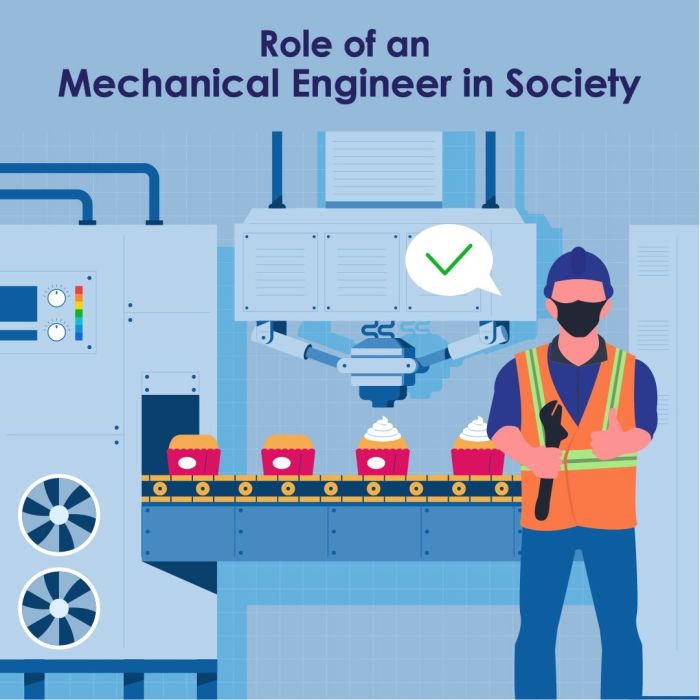
The ethical implications of neglecting mechanical safety protocols are profound. Businesses have a responsibility to ensure employee safety and well-being. Best practices for ethically communicating safety protocols to stakeholders include transparency about safety measures, regular updates on safety performance, and encouraging feedback from employees.The responsibility of businesses in ensuring employee safety extends beyond mere compliance with regulations. It involves creating a work environment that prioritizes safety and actively engages employees in safety initiatives.
The Role of Technology in Enhancing Mechanical Safety
Advancements in technology have significantly improved mechanical safety. Innovations such as machine learning and artificial intelligence can predict potential hazards, allowing organizations to take proactive measures. Integrating automation can also reduce human error, which is a common cause of accidents. Software solutions designed to manage safety compliance streamline the reporting process and ensure adherence to safety regulations, ultimately enhancing workplace safety.
Customer Service and Mechanical Safety
Mechanical safety protocols can enhance customer trust by demonstrating a commitment to safety standards. Transparent communication about safety practices, including safety certifications and incident reporting, fosters confidence among customers.Strategies for handling customer concerns regarding safety issues should include prompt responses, clear explanations of safety measures in place, and reassurance of ongoing commitment to safety.
Future Trends in Mechanical Safety Protocols
Emerging trends in mechanical safety indicate a shift towards more integrated and technology-driven safety solutions. The role of sustainability is becoming increasingly significant, with businesses exploring environmentally friendly safety measures that also safeguard employees.Projections suggest that mechanical safety will continue to evolve, incorporating more advanced technologies and methodologies to enhance safety protocols across various industries. As industries adapt to new challenges, the importance of mechanical safety protocols will remain paramount.
Summary
In conclusion, the implementation of mechanical safety protocols not only protects employees but also fosters a trustful environment for customers, ultimately benefiting the business as a whole. As we look toward the future, staying informed about emerging trends and advancements in safety technology will be crucial for maintaining high safety standards and ensuring compliance in an ever-evolving industrial landscape.
FAQs
What are the main benefits of mechanical safety protocols?
The main benefits include reduced workplace accidents, increased employee morale, and enhanced operational efficiency.
How often should safety protocols be reviewed?
Safety protocols should be reviewed at least annually, or whenever there are significant changes in operations or regulations.
Who is responsible for ensuring compliance with safety protocols?
While management holds the primary responsibility, all employees must be engaged and informed to ensure compliance.
What types of training are necessary for mechanical safety?
Training should include initial onboarding, regular safety drills, and updates on new safety protocols and equipment.
Can technology improve mechanical safety protocols?
Yes, advancements in technology can enhance monitoring, reporting, and overall compliance with safety protocols.