Manufacturing process control is essential for ensuring that production runs smoothly and efficiently. This approach involves monitoring and managing various aspects of the manufacturing process to achieve desired quality and performance outcomes.
By integrating effective techniques and tools, manufacturers can streamline operations, reduce costs, and enhance product quality. Understanding the fundamentals of manufacturing process control equips businesses with the knowledge to navigate challenges and seize opportunities within the industry.
Manufacturing Process Control Fundamentals
Manufacturing process control is a crucial element in ensuring the efficiency, quality, and reliability of production operations. By employing systematic methods and technologies, manufacturers can monitor, control, and optimize their processes effectively, leading to enhanced performance and reduced waste.The primary objectives of process control in manufacturing include maintaining product quality, minimizing variability, and ensuring that production processes operate within defined limits.
The importance of process control cannot be overstated, as it directly impacts product consistency, operational efficiency, and ultimately, customer satisfaction.
Key Components of Effective Process Control
Effective process control comprises several key components, including:
- Measurement Systems: Accurate and reliable measurement systems are essential for monitoring critical parameters within the manufacturing process.
- Control Strategies: Various control strategies, such as feedback and feedforward control, help maintain desired process conditions.
- Data Analysis: Analyzing data collected from the process allows for informed decision-making and continuous improvement.
- Training and Skills Development: Ensuring the workforce is trained in process control techniques is vital for successful implementation.
Techniques in Manufacturing Process Control
Manufacturers utilize various techniques for process control to enhance their production capabilities. These techniques help in identifying inefficiencies and ensuring products meet quality standards.Statistical Process Control (SPC) methods are widely adopted in the industry. These methods involve the use of statistical tools to monitor and control processes. They enable manufacturers to detect variations in processes and implement corrective actions promptly.
Role of Automation and Technology
Automation and technology play a significant role in modern manufacturing process control. Technologies such as IoT (Internet of Things), machine learning, and advanced robotics provide manufacturers with real-time data and insights that facilitate proactive decision-making.With automation, repetitive tasks can be completed with higher precision, reducing human error and enhancing productivity. Additionally, technology enables seamless communication between machines and systems, making it easier to implement changes swiftly when needed.
Business Accounting in Manufacturing
Business accounting is intricately linked to manufacturing process control, as accurate accounting practices help track costs and optimize resource allocation. By understanding the financial implications of manufacturing operations, businesses can make more informed decisions.Effective manufacturing cost control relies on rigorous accounting practices, which include budgeting, forecasting, and variance analysis. These practices allow manufacturers to identify cost-saving opportunities and ensure financial stability.
Importance of Accurate Financial Reporting
Accurate financial reporting is critical in manufacturing operations. It provides stakeholders with a clear picture of the company’s financial health and informs strategic planning. Regular financial audits and reports ensure transparency and accountability, fostering trust among investors and partners.
Payroll Management in Manufacturing
Payroll management in a manufacturing setting involves tracking employee hours, calculating wages, and ensuring compliance with labor laws. Effective payroll management is essential for maintaining workforce morale and operational efficiency.
Impact of Process Control on Labor Costs
Process control significantly impacts labor costs and payroll accuracy. By optimizing processes, manufacturers can reduce the labor required for production, leading to cost savings. Furthermore, accurate tracking of labor hours ensures that employees are compensated fairly, minimizing disputes and enhancing job satisfaction.
Advertising Strategies for Manufacturing
Creating effective advertising campaigns for manufacturing products and services requires a deep understanding of the target audience and market dynamics. Manufacturers must communicate the unique value propositions of their products to stand out in a competitive market.
Importance of Branding in Manufacturing
Branding plays a crucial role in the manufacturing sector. A strong brand can influence customer perception, foster loyalty, and differentiate products from competitors. Successful advertising strategies can include digital marketing, trade shows, and strategic partnerships that enhance brand visibility.
Agricultural Manufacturing Processes
Process control is equally significant in agricultural manufacturing, where it ensures the quality and safety of food products. With the increasing demand for efficiency and sustainability, innovative techniques are being adopted in this sector.
Examples of Successful Implementation in Agriculture
Businesses such as vertical farms and agro-processing companies have successfully implemented advanced manufacturing processes to enhance productivity. These innovations not only improve yield but also contribute to sustainable practices in the agricultural industry.
Architecture and Interior Design in Manufacturing Facilities
The architectural design of manufacturing facilities significantly affects operational efficiency. A well-designed facility can streamline processes and enhance worker productivity.
Best Practices for Designing Efficient Manufacturing Spaces
Key considerations for designing manufacturing spaces include optimizing layouts for workflow, ensuring adequate lighting and ventilation, and incorporating flexible spaces that can adapt to changing needs. Integrating interior design with process control also plays a vital role in fostering a productive work environment.
Business Branding for Manufacturers
Effective branding strategies are essential for manufacturers aiming to establish a competitive edge. A strong brand identity can convey quality and reliability, which are crucial for attracting and retaining customers.
Case Studies of Successful Branding Initiatives
Several manufacturing firms have successfully transformed their branding strategies. For instance, companies that focus on sustainable practices and innovation in product design have seen an uptick in consumer loyalty and market share.
The Role of Business Travel in Manufacturing
Business travel is a vital aspect of manufacturing, enabling professionals to foster partnerships, attend trade shows, and engage with clients and suppliers.
Impact on Supply Chain Management
Effective business travel strategies can enhance supply chain management by ensuring timely communication and collaboration. Manufacturers that optimize their travel plans can reduce costs and improve overall operational efficiency.
Career Advice for Manufacturing Professionals
Advancing a career in the manufacturing industry requires a mix of technical skills and soft skills, including problem-solving and teamwork. Continuous learning and professional development are critical for career growth.
Essential Skills for Success in Manufacturing
Key skills required for a successful career in manufacturing include:
- Technical proficiency in machinery and processes
- Strong analytical skills for data interpretation
- Effective communication and collaboration abilities
- Adaptability to new technologies and processes
Employment Trends in Manufacturing
Current employment trends in the manufacturing sector reveal an increasing demand for skilled labor, particularly in areas related to automation and technology.
Impact of Automation on Employment
While automation enhances productivity, it also reshapes the workforce, necessitating a workforce skilled in technology management and integration. Manufacturers must balance automation with workforce development to ensure sustainability.
Change Management in Manufacturing
Change management is vital in manufacturing to adapt to evolving market demands and technological advancements.
Frameworks for Effective Change Implementation
Implementing change requires structured frameworks that include stakeholder engagement, communication strategies, and training programs to ensure successful transitions.
The Construction Industry and Manufacturing
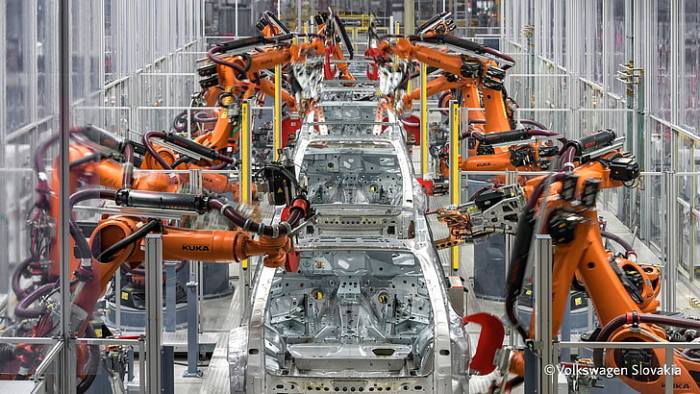
The relationship between manufacturing and the construction industry is synergistic, with manufacturing processes enhancing construction efficiency.
Collaborations Between Manufacturers and Construction Firms
Successful collaborations can lead to innovative building materials and construction techniques, significantly improving project timelines and costs.
Business Consulting for Manufacturing
Business consultants play a crucial role in improving manufacturing processes. They bring expertise and fresh perspectives that can drive operational efficiency.
Benefits of Consulting in Process Optimization
Engaging with consultants can provide manufacturers with tailored solutions, enhance productivity, and foster innovation in processes.
Continuity and Disaster Recovery in Manufacturing
Continuity planning is essential for manufacturers to mitigate risks associated with disruptions.
Strategies for Disaster Recovery
Establishing clear disaster recovery strategies ensures that manufacturers can quickly resume operations in the event of a disruption, safeguarding their investments and workforce.
Enhancing Customer Service in Manufacturing
Customer service is a critical aspect of the manufacturing sector. Improving customer service can lead to increased satisfaction and loyalty.
Methods for Gathering Customer Feedback
Establishing feedback loops through surveys, focus groups, and direct communication can provide valuable insights into product quality and service improvements.
Entrepreneurialism in Manufacturing
Entrepreneurs in the manufacturing sector face unique challenges and opportunities. Identifying market gaps and innovating solutions can lead to successful ventures.
Guidance on Starting a Manufacturing Business
Starting a manufacturing business involves thorough market research, strategic planning, and an understanding of regulatory requirements.
Business Ethics in Manufacturing
Ethical challenges in manufacturing include sustainability, labor practices, and supply chain management.
Developing Ethical Guidelines
Establishing robust ethical guidelines fosters a culture of integrity and accountability, benefiting both the organization and its stakeholders.
Franchising Opportunities in Manufacturing
Franchising presents unique opportunities in the manufacturing sector.
Examples of Successful Manufacturing Franchises
Prominent examples of successful manufacturing franchises demonstrate the potential for growth and market penetration through a franchising model.
Furnishings and Supplies for Manufacturing
The selection of furnishings and supplies significantly affects manufacturing efficiency.
Case Studies of Optimized Supply Chains
Manufacturers that have streamlined their supply chains for furnishings have reported increased operational efficiency and reduced costs.
Human Resources in Manufacturing
Human resources play a vital role in managing the workforce within manufacturing organizations.
Strategies for Recruiting Skilled Labor
Implementing effective recruitment strategies and focusing on workforce training can enhance talent retention and development in manufacturing.
Industrial Mechanical Processes
Mechanical processes are foundational to manufacturing, providing the means to transform raw materials into finished products.
Advancements in Industrial Machinery
Recent advancements in industrial machinery have enhanced efficiency and precision in manufacturing processes, leading to improved product quality and reduced waste.
Wrap-Up
In summary, manufacturing process control plays a pivotal role in driving efficiency and quality in production settings. As technologies evolve, the importance of mastering these processes only grows stronger, pushing manufacturers to innovate and adapt for sustained success.
Query Resolution
What is the primary goal of manufacturing process control?
The primary goal is to maintain consistent product quality while optimizing production efficiency.
How does automation impact manufacturing process control?
Automation enhances accuracy, reduces human error, and speeds up processes, leading to better control.
What techniques are commonly used in process control?
Common techniques include statistical process control (SPC), feedback loops, and real-time monitoring.
Why is accurate financial reporting important in manufacturing?
Accurate financial reporting helps in understanding production costs and aids in strategic decision-making.
What role does change management play in manufacturing?
Change management is crucial for implementing new processes and technologies effectively while minimizing disruption.