Automated payroll systems have become a cornerstone of modern business operations, simplifying the management of employee compensation and benefits. These systems have evolved significantly from the traditional manual processes, bringing with them a host of features designed to enhance efficiency and accuracy. As companies increasingly adopt automated solutions, understanding their significance and benefits is essential for maintaining competitive advantage in today’s fast-paced market.
With the shift toward automation, businesses can not only streamline payroll processes but also reduce human error, save valuable time, and lower operational costs. This overview will delve into the multifaceted benefits of automated payroll systems, their integration with accounting practices, and their impact on human resources and employee satisfaction.
Introduction to Automated Payroll Systems
Automated payroll systems have become a cornerstone for modern businesses, allowing companies to streamline their payroll processes seamlessly. By leveraging technology, these systems significantly reduce the time and effort needed to manage employee compensation and related tasks. The shift from manual payroll processing to automated systems represents a pivotal evolution in how businesses manage their finances and human resources.Historically, payroll was a labor-intensive process characterized by manual calculations, paper records, and potential for human error.
As technology advanced, businesses transitioned to automated systems designed to increase accuracy and efficiency. Key features of automated payroll systems include direct deposit, payroll tax calculations, and employee self-service portals, all of which greatly enhance operational efficiency.
Benefits of Automated Payroll Systems
The advantages of adopting automated payroll systems are numerous and impactful.
- Reduction of Human Error: Automated systems significantly diminish the likelihood of mistakes in payroll calculations, ensuring employees are paid accurately and on time.
- Time-Saving Aspects: With automated systems, payroll processing that previously took hours can now be completed in minutes, allowing HR teams to focus on more strategic initiatives.
- Cost Savings: Businesses that implement automated payroll systems often experience substantial cost reductions due to decreased overtime for payroll staff and lower errors leading to compliance penalties.
Integration with Business Accounting
Automated payroll systems are designed to integrate seamlessly with existing business accounting software, creating a cohesive financial ecosystem. Synchronizing payroll data with financial reporting ensures that all employee compensation is accurately reflected in financial statements, thereby maintaining compliance and enhancing fiscal responsibility. Best practices for maintaining accurate financial records include regular audits of payroll data, ensuring data consistency, and utilizing robust reporting tools to track discrepancies.
Impact on Human Resources

The role of HR in managing automated payroll systems is crucial, as they must ensure the system is utilized effectively. Payroll automation not only streamlines administrative tasks but also enhances employee satisfaction and retention by providing timely payments and transparency. Training for HR personnel is essential to ensure they are equipped to leverage the full capabilities of these systems, enabling them to handle payroll inquiries and resolve issues efficiently.
Challenges in Implementing Automated Payroll Systems
Transitioning to automated payroll systems can present several challenges for businesses. Common obstacles include resistance to change from staff accustomed to manual processes and the potential for technological issues during the implementation phase. Strategies to overcome these challenges include providing comprehensive training for employees, showcasing the benefits of automation through case studies, and ensuring a phased implementation that allows for adjustments along the way.
Compliance and Security Considerations
Compliance with regulations is paramount in payroll automation, as failure to adhere to labor laws can lead to significant penalties. Security measures are essential to protect sensitive payroll information, such as implementing encryption protocols and restricting access to authorized personnel only. Automated systems often have built-in compliance features that ensure adherence to local, state, and federal labor laws, safeguarding both the business and its employees.
Automated Payroll in Various Industries
The use of automated payroll systems varies significantly across different industries, each with unique requirements. For example, the agriculture sector may need systems that accommodate seasonal workers, while the construction industry requires compliance with specific labor regulations related to project work. Automation can streamline payroll processes for both small businesses, which may require simple solutions, and large enterprises that need sophisticated systems capable of handling complex payroll calculations.
Future Trends in Payroll Automation
The landscape of payroll technology is ever-evolving, with future advancements poised to enhance efficiency even further. Artificial intelligence is expected to play a significant role in payroll systems by automating routine tasks and providing predictive analytics for workforce planning. Additionally, the growing importance of mobile access to payroll information allows employees to view their pay stubs and request time off conveniently, fostering a more engaged workforce.
Business Branding and Payroll Systems
Automated payroll systems can significantly enhance a company’s branding strategy by reinforcing a commitment to operational excellence. Consistent payroll practices contribute to positive employee perceptions, ultimately strengthening the overall brand identity. Businesses that have successfully leveraged payroll automation often find that it contributes to a reputation for reliability and efficiency, attracting top talent.
Career Opportunities in Payroll Management
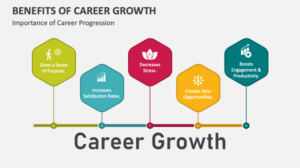
As companies increasingly adopt automated payroll systems, new career paths within payroll management are emerging. Professionals in this field need a strong understanding of payroll software and regulations, as well as skills in data analysis and problem-solving. The growth prospects in payroll-related jobs are promising, driven by the demand for skilled individuals who can navigate the complexities of modern payroll systems effectively.
Final Thoughts
In conclusion, automated payroll systems represent a transformative force in the way businesses manage their payroll processes. From enhancing accuracy and compliance to providing a better employee experience, the advantages are numerous and compelling. As we look toward the future, continued advancements in technology promise to further improve these systems, ensuring that businesses remain agile and effective in managing their most important asset: their people.
Essential FAQs
What are automated payroll systems?
Automated payroll systems are software solutions that manage and process employee payments automatically, reducing the need for manual calculations and paperwork.
How do automated payroll systems reduce errors?
These systems minimize human error by using programmed calculations and checks, ensuring consistent and accurate payroll processing.
Can small businesses benefit from automated payroll?
Yes, small businesses can save time and resources by implementing automated payroll systems, allowing them to focus on growth and customer service.
Are automated payroll systems secure?
Most automated payroll systems incorporate advanced security measures to protect sensitive financial and employee information from unauthorized access.
How often should payroll be processed in an automated system?
This depends on the company’s payroll policies, but many businesses opt for weekly or bi-weekly processing to align with employee pay schedules.