Kicking off with DEI initiatives in HR, this topic dives into the vital role that diversity, equity, and inclusion play within workplace dynamics. As companies increasingly recognize the value of diverse workforces, HR departments are at the forefront of implementing strategies that not only promote inclusivity but also drive business success.
Understanding DEI is essential for creating environments where everyone feels valued and empowered to contribute. Effective DEI initiatives can transform organizational culture, enhance employee satisfaction, and ultimately lead to better performance outcomes.
Introduction to DEI Initiatives
Diversity, Equity, and Inclusion (DEI) are essential components of a thriving workplace culture. In recent years, organizations have recognized the critical importance of fostering a diverse and inclusive environment where all employees feel valued and empowered. DEI initiatives aim to create an equitable workplace where differences are celebrated, and everyone has equal access to opportunities.The significance of DEI initiatives in Human Resources cannot be overstated.
These initiatives not only enhance employee satisfaction but also contribute to improved organizational performance and innovation. A diverse workforce brings a variety of perspectives that can lead to better decision-making and problem-solving. Effective DEI strategies help organizations attract and retain top talent, ultimately driving business success.Key components that make up effective DEI strategies include recruitment practices that prioritize diversity, ongoing training programs to foster inclusivity, and policies that promote equitable compensation and advancement opportunities.
By focusing on these elements, organizations can create a culture that supports DEI at every level.
The Role of HR in Implementing DEI
HR professionals play a vital role in championing DEI initiatives within organizations. They serve as advocates for diversity and inclusion, ensuring that these principles are embedded in the company culture. One of the primary responsibilities of HR is to develop and implement policies that promote diversity and inclusivity.Examples of HR policies that can enhance DEI include:
- Flexible work arrangements that accommodate diverse needs.
- Diverse recruitment strategies aimed at reaching a wider talent pool.
- Employee resource groups that provide support for underrepresented communities.
To assess and improve DEI efforts, HR can design a framework that includes regular audits of diversity metrics, employee feedback surveys, and action plans based on the findings. This proactive approach ensures continuous improvement and accountability in DEI initiatives.
Measuring the Impact of DEI Initiatives
Evaluating the effectiveness of DEI programs is crucial for understanding their impact on the organization. Methods for assessing DEI initiatives can include quantitative measures such as diversity ratios and qualitative feedback from employee surveys. These metrics provide valuable insights into the effectiveness of DEI strategies.Metrics that can be used to track DEI progress and outcomes include:
- Employee retention rates among diverse groups.
- Percentage of diverse candidates in the hiring pipeline.
- Employee satisfaction scores related to inclusivity.
Several businesses have successfully measured their DEI impact through innovative strategies. For instance, a tech company implemented a comprehensive tracking system that monitors diversity in leadership roles and correlates it with employee engagement levels, leading to actionable insights that drive further improvements.
Challenges in DEI Implementation
Common obstacles HR faces when initiating DEI initiatives include resistance from employees, lack of leadership support, and insufficient resources. Overcoming these challenges requires a strategic approach that involves clear communication about the benefits of DEI and addressing concerns transparently.Strategies for overcoming resistance to DEI programs involve:
- Engaging leadership to model inclusive behavior.
- Providing education and awareness sessions to dispel myths about DEI.
- Creating opportunities for dialogue among employees to share experiences and insights.
To maintain momentum in DEI efforts amidst challenges, organizations should celebrate small wins, share stories of success, and continually reinforce the importance of DEI in achieving their overall business objectives.
Best Practices for DEI Training
Creating a comprehensive plan for DEI training programs within organizations is essential for fostering an inclusive culture. Effective DEI training should be tailored to meet the needs of the organization and its employees.Various training methodologies that enhance employee understanding of DEI include:
- Workshops that promote dialogue and understanding of different perspectives.
- Online courses that allow flexible learning at individual paces.
- Interactive activities that encourage team collaboration and empathy.
Successful DEI training programs have demonstrated positive outcomes, such as increased employee engagement and improved team collaboration. For instance, a financial institution implemented a DEI training initiative that resulted in measurable increases in employee satisfaction and a more inclusive workplace environment.
Intersection of DEI with Business Functions
DEI initiatives have a significant influence on various business functions, including accounting practices, customer service, and employee well-being. By integrating DEI principles into accounting, organizations can ensure transparency and fairness in financial reporting and resource allocation.In customer service, a diverse workforce can better understand and cater to the needs of a varied clientele, ultimately enhancing brand loyalty. For example, a retail company that prioritized diversity in its customer-facing teams saw a marked improvement in customer satisfaction ratings.Moreover, DEI plays a crucial role in shaping business travel policies, ensuring that all employees feel safe and supported while traveling for work.
This not only contributes to employee well-being but also enhances the overall company culture.
DEI in Different Industries
DEI initiatives can vary significantly across different industries. For instance, the construction industry has made strides in promoting diversity, yet still faces challenges related to gender representation. In contrast, the agriculture sector has focused on community engagement and support for underrepresented groups.Unique DEI challenges faced in the architectural and interior design sectors include the need for diverse perspectives in creative processes and the importance of accessibility in design projects.
Organizations in these fields are increasingly recognizing the value of inclusive design practices that cater to a broader audience.Insights into how DEI practices vary across business consulting services highlight the necessity for tailored approaches that address the unique needs and dynamics of each sector.
The Future of DEI in the Workplace
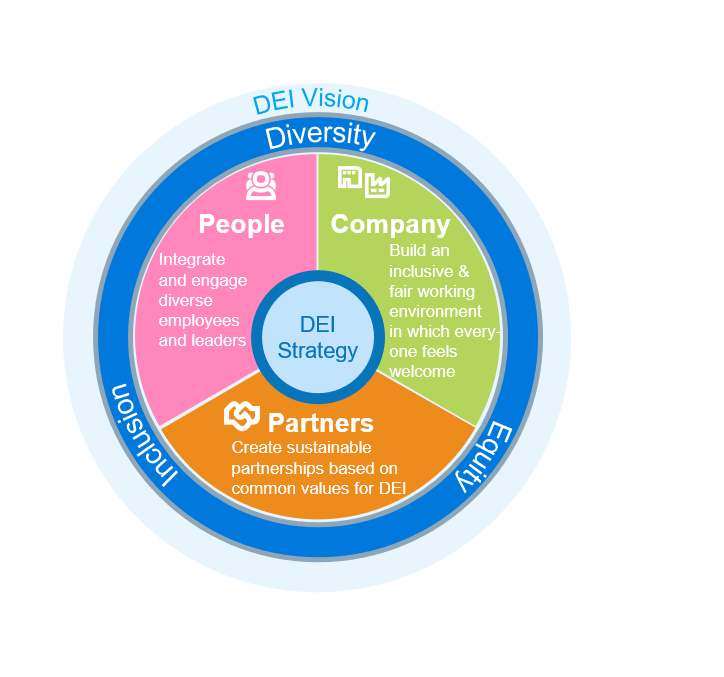
Emerging trends in DEI initiatives suggest a growing emphasis on technology and data-driven approaches to support DEI efforts. Organizations are increasingly utilizing tools that analyze diversity data and provide insights for improvement.Leadership plays a crucial role in shaping the future of DEI initiatives. By committing to diversity and inclusion, leaders can set the tone for the organization and inspire others to embrace these values.
As businesses continue to evolve, the integration of DEI into their core strategies will be pivotal in achieving long-term success and sustainability.
Closing Notes
In summary, the discussion surrounding DEI initiatives in HR highlights the importance of fostering inclusive practices that benefit both employees and organizations. By addressing challenges and implementing best practices, companies can pave the way for a more equitable workplace where everyone thrives.
Common Queries
What are the main components of DEI initiatives?
The main components include diversity recruitment, equitable policies, inclusion training, and continuous evaluation of practices.
How can organizations measure the success of DEI initiatives?
Success can be measured through employee feedback, retention rates, advancement statistics, and overall workplace engagement metrics.
What are some common challenges in implementing DEI initiatives?
Common challenges include resistance to change, lack of understanding, insufficient resources, and inadequate leadership commitment.
How often should DEI training be conducted?
DEI training should be conducted regularly, ideally at least once a year, with refreshers and updates as necessary to address evolving workplace dynamics.
What is the role of leadership in DEI initiatives?
Leadership plays a critical role by setting the vision, modeling inclusive behaviors, and ensuring that DEI initiatives are prioritized within organizational strategies.