Exploring Breakroom furniture ideas opens up a world of possibilities for creating an inviting and functional space where employees can unwind and rejuvenate. A thoughtfully designed breakroom not only enhances employee well-being but also fosters collaboration and creativity in the workplace.
From essential ergonomic furniture to innovative design concepts, this guide covers everything you need to know about optimizing your breakroom environment. By integrating sustainability, technology, and personalization, you can transform an ordinary breakroom into a vibrant hub that reflects your company culture and promotes employee engagement.
Breakroom Furniture Essentials
Creating an efficient and inviting breakroom starts with selecting the right furniture. It’s essential to identify key pieces that not only serve functional purposes but also contribute to the overall comfort and productivity of employees. Choosing the right furniture can significantly enhance the breakroom experience, making it a space where employees can unwind and recharge.
Essential Pieces of Furniture
The essential furniture pieces for a breakroom typically include:
- Tables: A mix of large communal tables for group gatherings and smaller tables for individual use encourages both social interaction and personal space.
- Chairs: Comfortable, ergonomic chairs support healthy posture and promote relaxation during breaks.
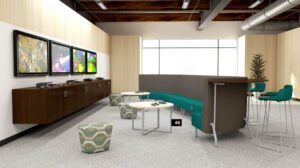
- Sofas or Lounge Seating: Providing casual seating options allows for a more relaxed atmosphere, ideal for informal meetings or downtime.
- Storage Solutions: Cabinets and shelves for storing supplies and personal items help keep the space organized.
- Appliances: Including a refrigerator, microwave, and coffee maker enhances convenience and encourages employees to use the breakroom.
Benefits of Ergonomic Furniture
Investing in ergonomic furniture is crucial in a breakroom setting. Ergonomic designs help reduce physical strain during breaks, leading to better overall health for employees. Features like adjustable seating and supportive backrests allow employees to relax comfortably, promoting a quick recharge before returning to work duties.
Importance of Multi-Functional Furniture
Multi-functional furniture is essential for optimizing space in breakrooms, especially in workplaces with limited square footage. Pieces like foldable tables or benches that can double as storage units maximize functionality without overcrowding the area. This versatility allows for a more dynamic use of space, accommodating various activities from casual lounging to team meetings.
Creative Breakroom Designs
Innovative design ideas can transform a standard breakroom into a vibrant and engaging space. Thoughtful layouts and unique furniture choices play a significant role in creating an environment that reflects the company culture while also fostering employee interaction.
Innovative Design Ideas
When considering modern breakroom layouts, creativity is key:
- Open Layouts: An open design encourages collaboration and interaction among employees. Incorporating partitions for privacy can balance openness with personal space.
- Outdoor Elements: Using natural materials and green plants helps bring the outdoors in, creating a refreshing atmosphere.
- Color Themes: Bright, stimulating colors can energize the space, while softer tones can create a calming environment.
Incorporating Branding Elements
Incorporating branding elements into breakroom furniture choices can enhance company identity. Custom furniture that showcases the brand colors, logos, or even motivational quotes can create a strong sense of belonging among employees. This fosters a more cohesive workplace culture.
Themed Breakroom Designs
Themed breakroom designs can greatly enhance employee engagement. For instance, a “coffee shop” theme with barista-style counters and cozy seating can make the breakroom feel like a community hub, encouraging employees to connect over their coffee breaks.
Budget-Friendly Breakroom Solutions
Creating an inviting breakroom doesn’t have to break the bank. There are numerous cost-effective furniture options available that maintain quality without stretching the budget.
Cost-Effective Furniture Options
Choosing budget-friendly furniture that doesn’t compromise on aesthetics or durability is possible. Options include:
- Basic Tables and Chairs: Simple yet stylish designs can be found at affordable prices, offering both function and comfort.
- Second-Hand Furniture: Purchasing from thrift stores or online marketplaces can yield high-quality pieces at a fraction of the cost.
- Refurbished Options: Refurbished furniture not only saves money but also contributes to sustainability efforts.
Role of Second-Hand or Refurbished Furniture
Second-hand or refurbished furniture can be an excellent budget management strategy. Often, these pieces are still in great condition and can add unique character to the breakroom. This approach not only saves money but also supports sustainability by reducing waste.
Comparison of Budget-Friendly Suppliers
Below is a comparison table of popular budget-friendly breakroom furniture suppliers, showcasing their offerings and price ranges:
| Supplier | Type of Furniture | Price Range |
|---|---|---|
| IKEA | Tables, Chairs, Storage | $50 – $300 |
| Office Depot | Desks, Seating, Appliances | $100 – $500 |
| Wayfair | Various Styles | $75 – $700 |
Sustainability in Breakroom Furnishings
Choosing eco-friendly materials for breakroom furniture is becoming increasingly important as businesses prioritize sustainability. Selecting sustainable furniture can have a positive impact on the environment and promote a greener workplace.
Choosing Eco-Friendly Materials
When selecting breakroom furniture, consider materials that are sustainable, such as:
- Bamboo: A rapidly renewable resource that is durable and stylish.
- Recycled Metal and Wood: Using repurposed materials reduces waste and environmental impact.
- Low-VOC Finishes: Ensuring that paint and finishes have low volatile organic compound emissions contributes to better indoor air quality.
Benefits of Sustainable Furniture Practices
Adopting sustainable furniture practices in business settings offers numerous advantages, including:
- Enhanced Brand Image: Companies that prioritize sustainability often attract environmentally conscious customers.
- Employee Satisfaction: Workers appreciate being part of an organization that values sustainability, potentially leading to increased morale.
Certifications for Sustainable Furniture
When selecting sustainable furniture, it’s essential to look for certifications that indicate eco-friendliness. Some key certifications include:
- FSC (Forest Stewardship Council): Ensures responsible sourcing of wood products.
- GREENGUARD: Indicates low chemical emissions for better indoor air quality.
- LEED (Leadership in Energy and Environmental Design): Recognizes buildings and products that meet strict sustainability criteria.
Breakroom Furniture and Employee Wellness
Selecting the right breakroom furniture can significantly influence employees’ physical and mental well-being. Thoughtfully designed spaces can foster relaxation and rejuvenation.
Promoting Physical and Mental Well-Being
Furniture choices play a crucial role in promoting well-being among employees. Ergonomic seating, for example, minimizes physical strain, while inviting lounge areas can provide a much-needed escape from the work environment.
Creating a Calming Atmosphere
To create a calming atmosphere, consider furniture that encourages relaxation, such as:
- Soft Seating: Couches and bean bags invite employees to unwind during breaks.
- Natural Light: Arranging seating near windows allows natural light to enhance the mood.
- Sound-Absorbing Materials: Using rugs and soft furnishings can help minimize noise, creating a peaceful environment.
Impact of Furniture Arrangement
The arrangement of furniture can significantly impact employee interactions and morale. Open layouts foster collaboration, while intimate seating arrangements promote deeper conversations. Balancing these elements can lead to a more cohesive and engaged workplace.
Integrating Technology in Breakroom Furniture
In today’s digital world, integrating technology into breakroom furniture is essential for modern workplaces. Tech-friendly designs accommodate the needs of employees who rely on devices throughout the day.
Types of Tech-Friendly Furniture
Modern breakrooms can benefit from tech-friendly furniture such as:
- Charging Stations: Tables with built-in charging ports ensure employees can easily power their devices.
- Multi-Media Stations: Furniture designed for presentations or video conferencing enhances collaborative efforts.
- Smart Desks: Adjustable desks with integrated technology allow for flexibility between sitting and standing.
Advantages of Integrating Technology
Integrating charging stations and multimedia setups into breakroom furniture offers various advantages:
- Increased Convenience: Employees can easily access power for their devices, making breaks more productive.
- Enhanced Collaboration: Tech-friendly furniture supports group activities and presentations, fostering teamwork.
Designing Tech-Enhanced Breakroom Spaces
Designing a tech-enhanced breakroom involves creating spaces that cater to both relaxation and connectivity. Consider a layout that allows for easy access to charging stations and multimedia setups, while also providing comfortable seating for informal gatherings.
Customizing Breakroom Furniture
Personalizing breakroom furniture to reflect company culture can create a more inviting and engaging environment. Customizable solutions cater to diverse employee needs and preferences.
Personalizing Breakroom Furniture
Personalizing breakroom furniture involves aligning choices with company values and aesthetics. Options include:
- Custom Colors: Selecting furniture colors that match the company’s branding helps reinforce identity.
- Incorporating Logos: Furniture that showcases the company logo can enhance team spirit.
- Flexible Configurations: Modular furniture allows for easy rearrangement as team dynamics change.
Customizable Solutions for Diverse Needs
Offering customizable furniture solutions is essential for accommodating diverse employee needs:
- Height Adjustable Tables: Allow employees to choose their preferred working height.
- Variety in Seating: Providing options from lounge chairs to stools caters to different preferences.
Guide for Color Schemes and Materials
When selecting color schemes and materials that match branding, consider:
- Brand Colors: Incorporate primary brand colors into furniture selections for a cohesive look.
- Durable Materials: Choosing materials that are both stylish and easy to maintain ensures long-lasting quality.
Trends in Breakroom Furniture
Staying updated on the latest trends in breakroom furniture design is essential for creating appealing spaces. Emerging trends reflect changes in workplace culture and employee expectations.
Latest Trends Influencing Design
The latest trends influencing breakroom furniture design include:
- Biophilic Design: Incorporating natural elements and greenery promotes well-being and creativity.
- Flexible Workspaces: Modular furniture that can be easily rearranged fosters adaptability in the workplace.
- Smart Furniture: Technology-integrated furniture enhances functionality and connectivity.
Impact of Remote Work Trends
The rise of remote work is impacting breakroom furniture choices. Companies are increasingly focusing on creating comfortable, collaborative spaces that cater to both in-office and remote employees. This shift emphasizes the need for multifunctional furniture that can support diverse work styles.
Comparison of Traditional vs. Contemporary Styles
Here is a table comparing traditional versus contemporary breakroom furniture styles:
| Style | Characteristics | Typical Materials |
|---|---|---|
| Traditional | Classic designs, ornate detailing, and warm colors | Wood, leather, and rich fabrics |
| Contemporary | Sleek lines, minimalist aesthetics, and bold colors | Metal, glass, and eco-friendly materials |
Case Studies of Successful Breakroom Designs
Examining successful breakroom designs provides valuable insights into the impact of furniture choices on employee productivity and satisfaction.
Examples of Successful Redesigns
Several businesses have successfully redesigned their breakrooms to enhance employee experience. Notable examples include:
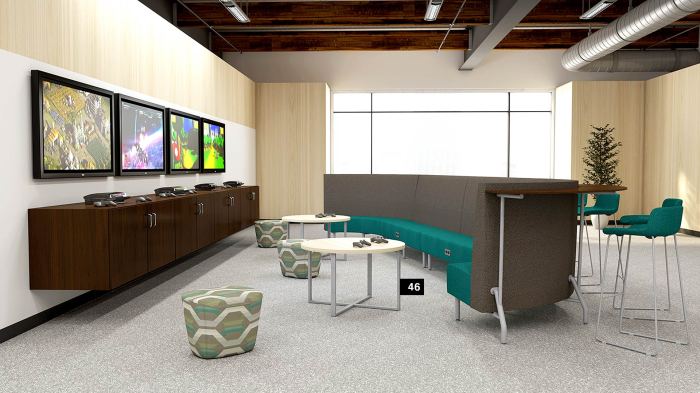
- Company A: Transitioned from a dull breakroom to a vibrant space with lounge seating and interactive games, leading to increased employee engagement.
- Company B: Implemented a café-style breakroom with custom coffee machines and communal tables, promoting social interaction and collaboration.
Impact on Employee Productivity
Case studies highlight that well-designed breakrooms can lead to increased productivity. Companies that invest in creating inviting spaces often see improved employee morale and lower turnover rates.
Key Takeaways from Successful Implementations

Key takeaways from successful breakroom implementations include:
- Focus on Employee Needs: Understanding what employees want in a breakroom is crucial for effective design.
- Encourage Community: Designing spaces that promote interaction fosters a sense of belonging.
The Role of Human Resources in Breakroom Design
Human Resources plays a vital role in influencing breakroom furniture choices, ensuring the space meets employee needs and enhances satisfaction.
Influence of HR on Furniture Choices
HR departments can advocate for furniture selections that prioritize comfort and functionality. By considering employee feedback, HR can ensure that the breakroom becomes a valued space within the workplace.
Guidelines for Gathering Employee Feedback
To effectively gather feedback on breakroom needs, HR should:
- Conduct Surveys: Regular surveys can gauge employee preferences and satisfaction regarding breakroom facilities.
- Hold Focus Groups: Engaging small groups in discussions can provide in-depth insights into desired improvements.
Checklist for Evaluating Effectiveness
HR should utilize a checklist to evaluate the effectiveness of breakroom furniture, covering aspects such as:
- Comfort and Ergonomics
- Space Utilization
- Employee Satisfaction Ratings
- Frequency of Breakroom Use
Final Wrap-Up
In summary, the right breakroom furniture can significantly impact employee satisfaction and productivity. By considering factors such as ergonomics, creativity, and sustainability, you can craft a breakroom that not only meets practical needs but also inspires and motivates your team. Embrace the ideas discussed, and watch as your breakroom becomes a cornerstone of your workplace culture.
Answers to Common Questions
What are essential furniture pieces for a breakroom?
Essential pieces include tables, chairs, lounge seating, and storage options to accommodate meals and relaxation.
How can I make my breakroom budget-friendly?
Consider second-hand or refurbished furniture, and look for sales or discounts from bulk suppliers.
What furniture promotes employee wellness?
Ergonomic chairs and tables that encourage movement can help enhance physical and mental well-being.
How can technology be integrated into breakroom furniture?
Incorporate charging stations, multimedia setups, and tech-friendly seating arrangements for a modern touch.
Why is sustainability important in breakroom furniture?
Sustainable furniture choices reduce environmental impact and can enhance your company’s reputation among employees and clients.